RAM and storage price trends for organizations are becoming a critical topic for IT leaders, finance teams, and government technology managers alike. Across industries, the cost of essential hardware components (especially system memory (RAM) and data storage) has been climbing steadily, making infrastructure planning more complex than it has been in years. Understanding what’s driving these increases and how they affect your long-term IT strategy can help organizations avoid unexpected expenses and operational slowdowns.
What’s Driving Higher RAM and Storage Costs?
1. Increased Demand From Data Centers and Cloud Providers
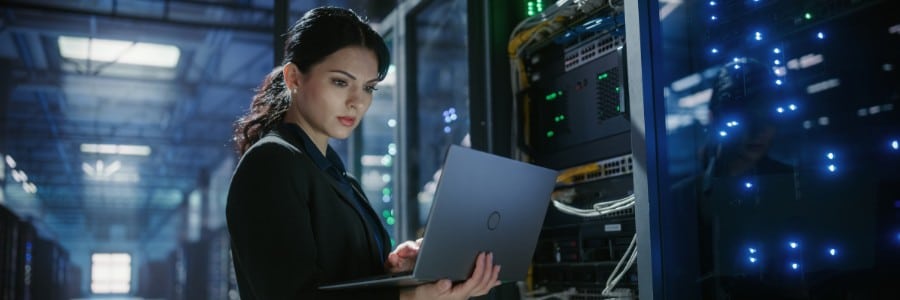
Large cloud service providers and hyperscale data centers continue to expand their infrastructure to support growing workloads. From enterprise SaaS platforms to government-hosted digital services, more applications are running in virtualized and cloud-based environments than ever before. As a result, these providers are purchasing massive volumes of RAM and storage, which tightens supply across the global market and contributes to higher prices for organizations of all sizes.
2. Growth in AI and High-Performance Computing
Artificial intelligence, analytics platforms, and high-performance computing (HPC) systems rely heavily on fast memory and large storage pools. Training models, processing real-time data, and storing large datasets requires significantly more hardware capacity than traditional business systems. This shift has created additional pressure on manufacturers to meet demand, which in turn influences RAM and storage price trends for organizations that rely on commercial supply chains.
3. Supply Chain and Manufacturing Constraints
Semiconductor manufacturing remains a complex and globally distributed process. Any disruption whether related to raw materials, factory output, or transportation can slow down production and affect availability. Even modest slowdowns can ripple across the market, causing longer lead times and higher pricing for both memory modules and storage devices.
4. Technology Transitions and New Standards
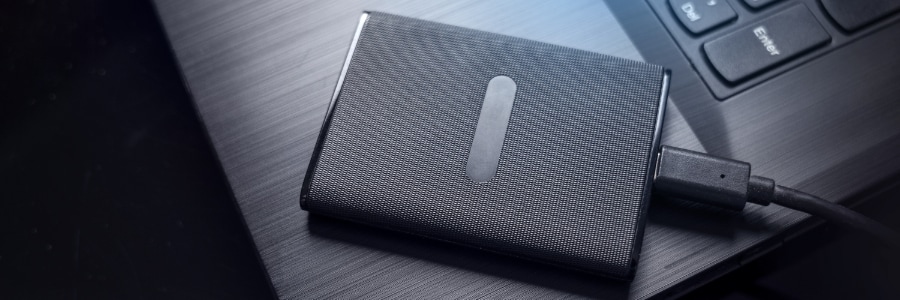
The industry is also moving toward newer standards, such as next-generation DDR memory and higher-capacity solid-state storage. While these technologies offer better performance and efficiency, they often come at a premium during early adoption phases. Organizations refreshing hardware may find that newer, compatible components carry higher upfront costs.
How Rising Prices Impact Organizations and Government Agencies
Budgeting and Financial Planning
As RAM and storage become more expensive, IT budgets must account for higher per-system and per-project costs. This can affect everything from workstation refresh cycles to large-scale server and data center upgrades. Without accurate forecasting, organizations may be forced to delay critical projects or reallocate funds from other technology initiatives.
Longer Procurement and Deployment Timelines
Higher demand and limited supply can extend lead times, especially for bulk orders or specialized hardware configurations. Government agencies and regulated organizations that rely on formal procurement processes may experience additional delays, which can impact service delivery and compliance requirements.
Infrastructure Scalability Challenges
When hardware costs rise, scaling infrastructure becomes more complex. Teams may need to make trade-offs between performance, capacity, and cost, particularly in environments that support data-intensive applications or public-facing digital services.
Strategic Capacity Planning: A Proactive Approach
Assess Current and Future Needs
Start by reviewing current system utilization. Identify which applications consume the most memory and storage, and forecast how those needs may grow over the next 12 to 36 months. This helps ensure that investments align with actual demand rather than short-term assumptions.
Prioritize Critical Systems
Not all systems require the same level of performance or redundancy. By categorizing workloads based on business impact, organizations can allocate premium hardware resources where they matter most and use cost-effective options for less critical environments.
Consider Hybrid and Cloud Models
In some cases, shifting certain workloads to cloud or hybrid environments can reduce the need for large on-premises hardware purchases. While cloud services have their own costs, they can offer more predictable pricing models and scalability options.
Standardize Hardware Configurations
Standardization simplifies procurement, support, and lifecycle management. When systems use consistent RAM and storage configurations, organizations can more easily manage inventory, negotiate pricing, and streamline maintenance processes.
The Role of Managed IT and Infrastructure Partners
Working with a managed IT services provider can help organizations navigate complex hardware markets. Experienced partners monitor RAM and storage price trends for organizations, maintain vendor relationships, and provide guidance on timing purchases to minimize cost impact. They can also assist with:
- Vendor and supply chain coordination
- Lifecycle and asset management
- Infrastructure assessments and refresh planning
- Security and compliance alignment
Looking Ahead: What to Expect
While pricing fluctuations are a normal part of the technology market, the current combination of global demand, emerging technologies, and supply chain pressures suggests that RAM and storage costs may remain elevated in the near term. Organizations that take a long-term, strategic view of their infrastructure planning will be better positioned to adapt to these changes without disrupting operations.
Final Thoughts
Rising hardware costs don’t have to derail your IT strategy. By understanding RAM and storage price trends for organizations and adopting proactive planning practices, businesses and government agencies can make smarter investments, reduce procurement risks, and maintain reliable, scalable systems.
At Capital Data Service, Inc., we help organizations evaluate infrastructure needs, plan hardware refresh cycles, and align technology investments with long-term operational goals. Contact us to start building a resilient, cost-aware IT strategy that keeps your systems performing, no matter how the market shifts.